Renovating My Home in Austin Texas
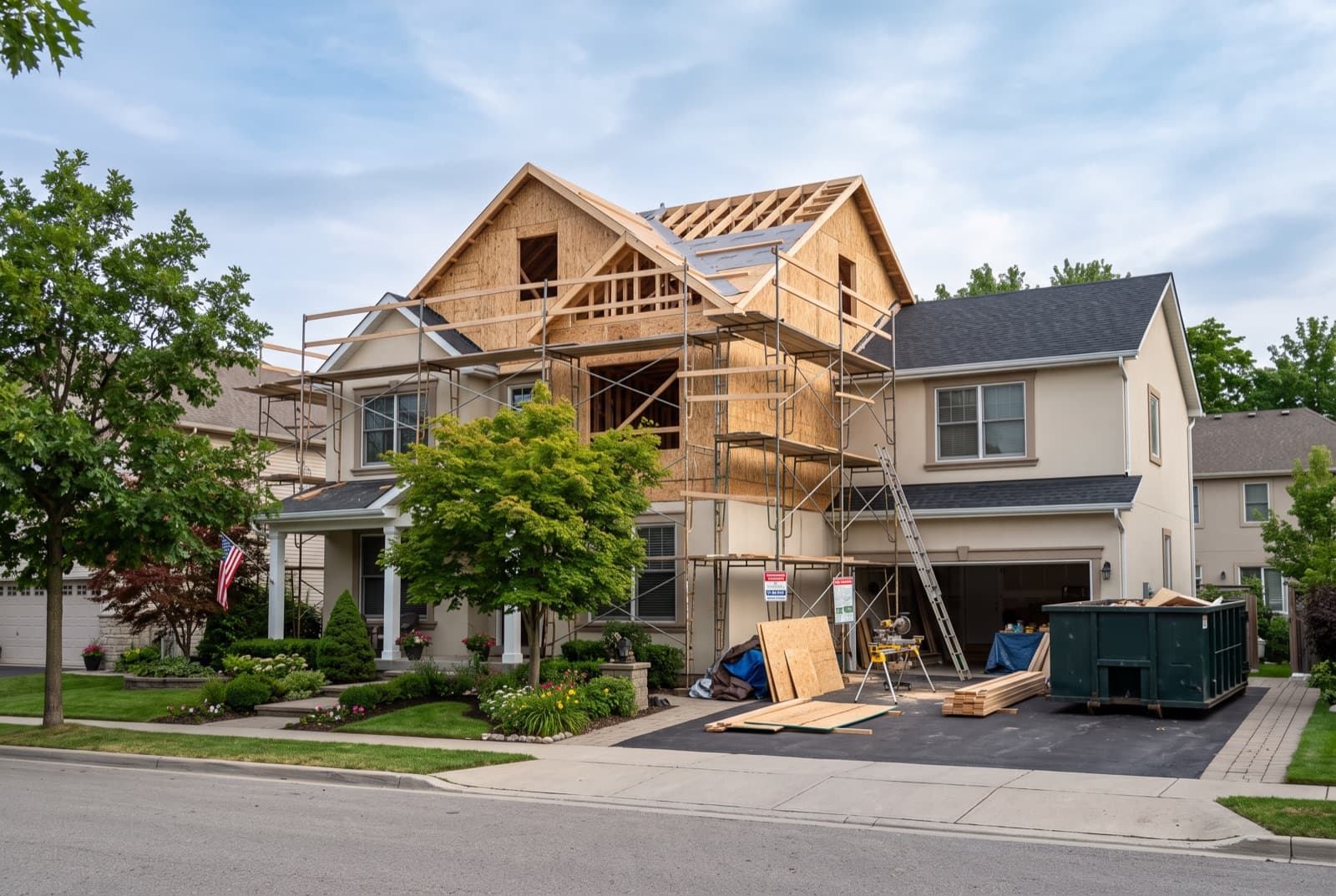
If you are renovating a home in Austin — or talking yourself into it — you are in good company. Much of the city's most desirable housing stock is 40 to 70 years old: the ranches of Allandale, Crestview, and Windsor Park, the bungalows of Hyde Park and Travis Heights, the 80s and 90s two-stories of Northwest Hills and Circle C. These homes have great bones and locations you cannot rebuild, but they were designed for a different era of living. Renovation is how they catch up. Having guided homeowners through this process across the city, here is the practical version of how we would approach renovating our own home here — the planning, the permits, the order of operations, and the budgeting mindset that keeps a project on the rails.
Start With the House You Actually Have
Before any design work, understand the building. The era of your house predicts most of what you will find. A pre-1960s home likely has had wiring updated once already — verify how well — and may have cast iron drains nearing end of life. A 60s or 70s home may have aluminum branch wiring (a known fire risk worth remediating) and original galvanized supply pipes. Nearly every Austin home of any age sits on a slab or pier-and-beam foundation that our expansive clay soil has been pushing around for decades.
Spend money on inspections up front: a sewer scope, an electrical panel evaluation, a foundation elevation survey if there is any sign of movement. A few hundred dollars of diagnostics before design saves the classic renovation disaster — discovering a $20,000 problem after the budget is committed to countertops.
Fix the Bones Before the Beauty
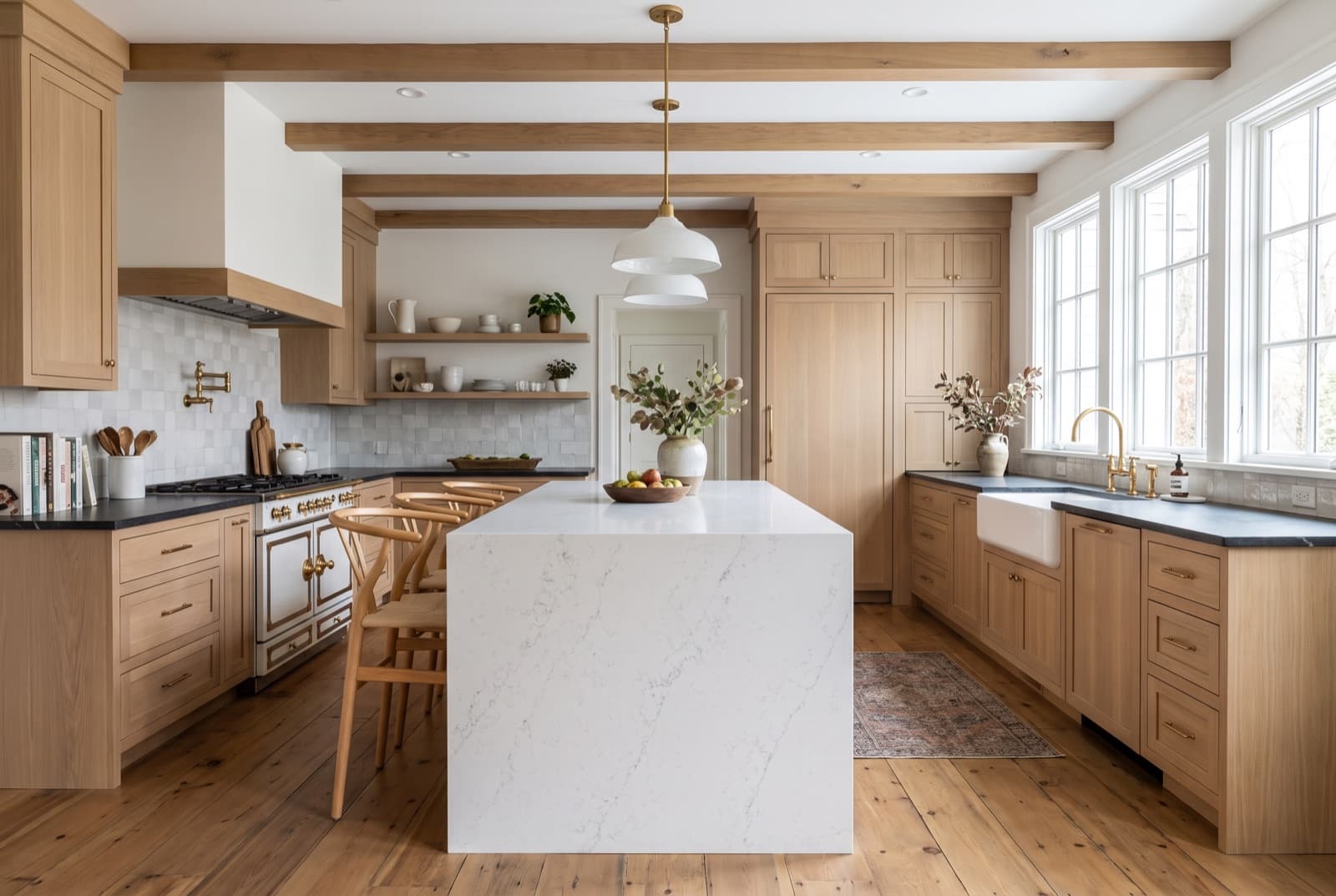
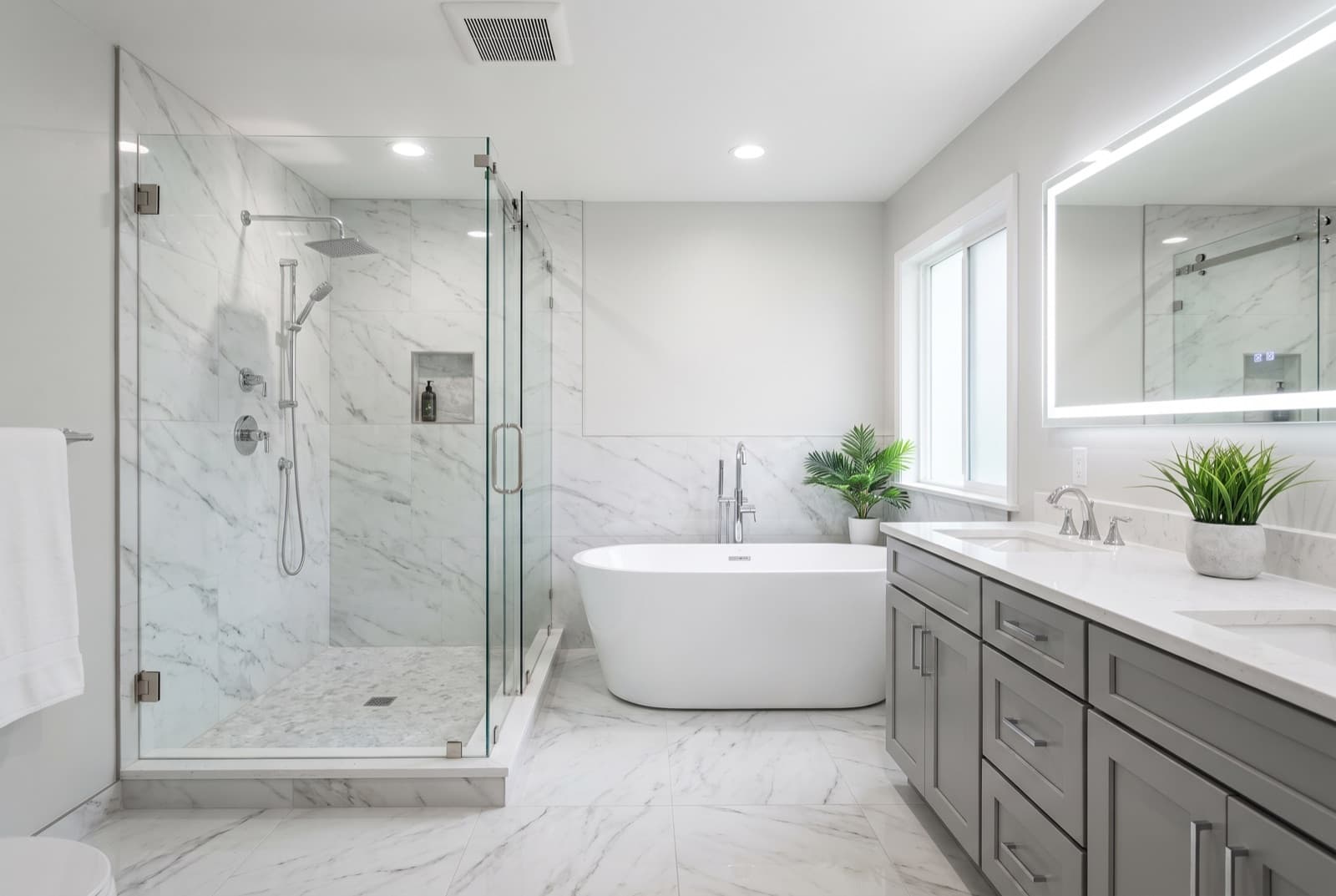
The order of operations matters more than almost any other decision. Ours is consistent: foundation first, then roof and drainage, then the systems inside the walls — plumbing, electrical, HVAC — then insulation and windows, and only then the visible remodel work of kitchens, bathrooms, and floors.
The logic is simple: everything downstream depends on what comes before. Foundation movement cracks new drywall and tile. A re-roof after a remodel risks the finished interior. And you never want to cut open a freshly tiled shower wall to replace a pipe you knew was failing. In Austin specifically, foundation and drainage deserve extra respect — managing water around the house with gutters, grading, and consistent soil moisture is the cheapest foundation insurance our clay soil allows.
Permits in Austin: Do It by the Book
Structural changes, additions, and most plumbing, electrical, and mechanical work in Austin require permits, and larger projects go through the city's residential review process. Two local wrinkles catch homeowners by surprise. First, if your home falls in a historic district or is a contributing structure — common in Hyde Park and parts of Travis Heights — exterior changes get additional review. Second, Austin regulates impervious cover and floor-to-area ratio, which can shape what additions are possible on your lot, particularly in central neighborhoods.
Permits add some time, but unpermitted work is a false economy: it surfaces during resale, complicates insurance claims, and skips the inspections that catch genuine safety issues. A good contractor handles the permit process for you and builds the timeline around it.
Budgeting: The Mindset That Works
Every renovation budget has three layers: the known scope, the contingency, and the wish list. Price the known scope thoroughly with real quotes rather than square-foot folklore. Then hold a contingency of 15 to 20 percent — for a renovation of an older Austin home, treat that as non-negotiable, because the walls have been closed for fifty years and they are keeping secrets. Whatever remains funds the wish list, in priority order, released only as the unknowns resolve.
Two more habits keep budgets honest. Make every selection — tile, fixtures, appliances, hardware — before construction starts, because mid-project decisions are rushed decisions and change orders are where budgets die. And spend where it is hard to change later: layout, windows, waterproofing, mechanical systems. Economize where upgrading later is easy, like light fixtures and paint.
Live Through It With a Plan
Whole-home renovations in Austin typically run three to nine months depending on scope. Decide early whether you will live in the house through construction — doable for phased work, miserable for full guts. Sequence loud, dusty phases together, keep one working bathroom online at all times if you are staying, and expect the middle weeks, when the house is fully opened up, to feel worse than any before-photo. That is the normal shape of a renovation, not a sign it is going wrong.
The Payoff
Done in the right order, a renovation gives you a home tuned to how you live, in the neighborhood you already love — which, in Austin's market, is usually a better deal than trading up. If you are mapping out a renovation anywhere in the metro, we are happy to walk the house with you, help you sequence the work, and put honest numbers to it. Learn more about our renovation services or contact us to start the conversation.
Need Help With This?
Our licensed professionals are ready to help. Get a free, no-obligation consultation.
Get a QuoteRelated Services

Austin Home Service Pros
The Austin Home Service Pros team shares expert tips, maintenance guides, and home improvement advice to help Austin homeowners make informed decisions.